Security Supervisor

Security Supervisor

Regional CIO, Toyota Northern Europe

CISO, Anyfin

Security Transformation Associate Director, Accenture
As organizations increasingly deploy AI agents and autonomous systems, securing their identities throughout the lifecycle—from onboarding to decommissioning—has become critical. This session explores strategies for enforcing role-based access, automating credential management, and maintaining continuous policy compliance while enabling AI systems to operate efficiently.

Director - Security, Risk, and Compliance, Accedo

Account Executive, WIZ

Senior Solutions Engineer, WIZ

Account Executive, WIZ
Automated workflows and CI/CD pipelines often rely on high-value credentials and secrets that, if compromised, can lead to severe security incidents. This discussion covers practical approaches to securing keys, detecting anomalous activity, and enforcing least-privilege access without creating operational bottlenecks.

Due to programme updates, this round table is no longer available for registration.
Please choose another available topic from the list.

Head of Cyber Governance, Risk and Compliance, DMG Media

Senior Solutions Engineer, Okta
As generative and predictive AI models are deployed across enterprises, understanding their provenance, training data, and deployment risks is essential. This session provides frameworks for model governance, data protection, and approval workflows to ensure responsible, auditable AI operations.

IT Security Specialist, VizRT

EMEA CTO, Rapid 7
Operating AI systems in live environments introduces dynamic risks. Learn how to define operational boundaries, integrate human oversight, and set up monitoring and alerting mechanisms that maintain both compliance and agility in high-stakes operations.

CISO, Estonian Tax and Customs Board

VP of Sales, EMEA, Orca
AI agents often interact with sensitive data, making it vital to apply robust data protection strategies. This session explores encryption, tokenization, access governance, and audit trail practices to minimize exposure while enabling AI-driven decision-making.

Head of Cyber Defense Center, Jeppesen Foreflight

Chief of Cyber Security Operations, Asurgent
Autonomous systems can behave unpredictably, potentially creating self-propagating risks. This discussion covers behavioral anomaly detection, leveraging AI for threat intelligence, and implementing containment and rollback strategies to mitigate rogue AI actions.
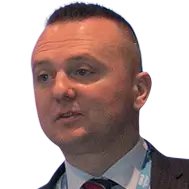
Director of Security Service Sales, Radware
Enterprises need to maintain security while avoiding lock-in with specific AI vendors. This session explores open standards, interoperability, and monitoring frameworks that ensure security and governance across multi-vendor AI environments.

Cybersecurity Manager, Schibsted Media
AI systems can occasionally act outside intended parameters, creating operational or security incidents. This session addresses detection, escalation, containment, and post-incident analysis to prepare teams for autonomous agent misbehavior.

CISO, Danderyds sjukhus

Major Account Director - Nordics, CATO Network

Head of Security & Governance (CISO), TF Bank
Organizations must ensure AI operations comply with GDPR, the AI Act, PII, and other regulations. This session explores embedding compliance controls into operational workflows, mapping regulatory requirements to AI systems, and preparing audit-ready evidence.
Due to programme updates, this round table is no longer available for registration.
Please choose another available topic from the list.

Manager IT & IS, Extenda Retail

Sales Director - N.EUR, Synack
Static audits are no longer enough. This session explores embedding continuous compliance and assurance into operations, enabling real-time monitoring, cross-team collaboration, and proactive gap resolution.
Due to programme updates, this round table is no longer available for registration.
Please choose another available topic from the list.
Due to programme updates, this round table is no longer available for registration.
Please choose another available topic from the list.
Due to programme updates, this round table is no longer available for registration.
Please choose another available topic from the list.
Due to programme updates, this round table is no longer available for registration.
Please choose another available topic from the list.
Due to programme updates, this round table is no longer available for registration.
Please choose another available topic from the list.

Kriminalkommisarie / Police Superintendent, Swedish National Police SC3

AVP Nordics, Igel
Hybrid work increases complexity in maintaining compliance. This session focuses on policies, monitoring, and cultural strategies for securing distributed teams without reducing agility.

Information Security Risk Specialist, Entercard Group AB

Chief Information Security Officer, Alecta

CISO, Regent AB
Leaders need measurable insights into organizational resilience. This session covers dashboards, automated alerting, and reporting frameworks for operational and compliance metrics.
Due to programme updates, this round table is no longer available for registration.
Please choose another available topic from the list.

Information Security Strategist, Länsförsäkringar Bank

Information Security, Compliance & Risk Officer,
Åhléns Åhléns - Online & Varuhus
Skilled cybersecurity professionals are in high demand. This session explores strategies for recruitment, career development, and retention to secure top talent in a competitive market.

Head of CSO Office | Deputy Head of Group Security & Cyber Defence, Chair of Women in Security, Swedbank

BISO,
Swedbank
Teams must be prepared for evolving threats, including AI-driven risks. Learn how to design training programs, simulations, and metrics for skill development.

Acting Head of Cybercenter and the Digital Security Unit, RISE

CSO, BankID

Team Lead | Public Sector Sweden, Commvault
Collaboration between sectors accelerates threat detection and response. Explore frameworks for intelligence sharing, coordinated response, and evaluating partnerships.

Local IT Security Officer, Vattenfall

Security Architect, Devoteam
Incident response effectiveness relies on preparedness and coordination. This session highlights training, roles, and post-incident analysis to strengthen response capabilities.

CISO, BITS DATA

CISO, Alfa eCare Group

CEO & Co-Founder, Aftra
Human limitations impact security operations. Learn strategies to monitor stress, implement support programs, and build resilience.

ISO, MedMera Bank

Enterprise Account Executive, Elastic
International teams require consistent policies and flexible execution. This session covers coordination, communication, and tool centralization for global operations.
Due to programme updates, this round table is no longer available for registration.
Please choose another available topic from the list.

Lead CISO Advisor, KnowBe4

CISO, Mentimeter AB

Programme Director, Estonian Public Procurement Center
Effective collaboration depends on streamlined tools and processes. Explore strategies to reduce tool fatigue, enable real-time coordination, and enhance teamwork.
Cybersecurity Expert, Cloud Security Alliance
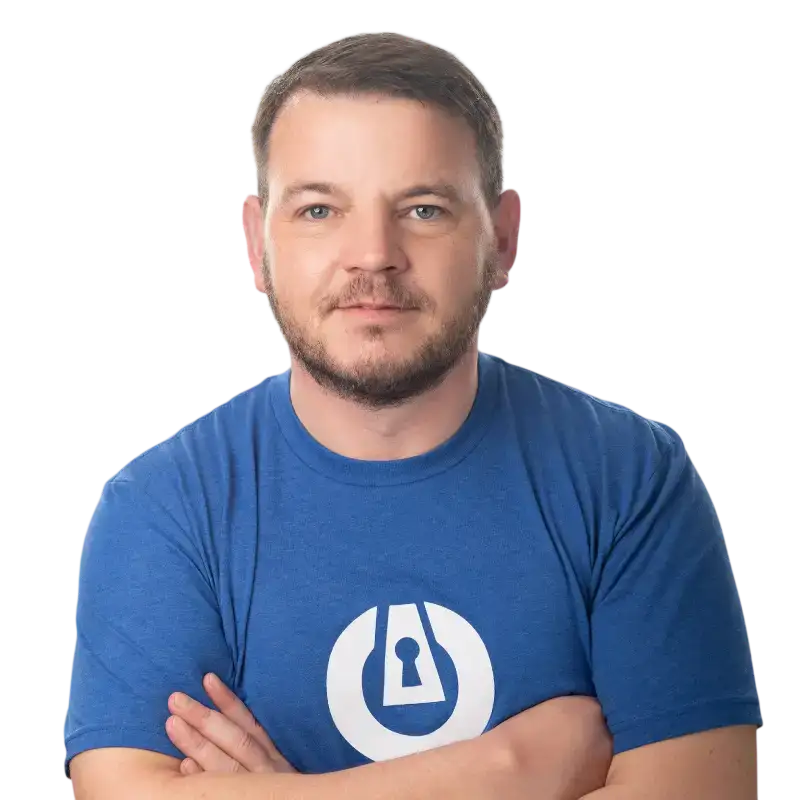
Vice President of Operations for EMEA, ThreatLocker
Knowledge sharing strengthens resilience. Learn how to exchange actionable intelligence securely, standardize reporting, and maintain trust across organizations.

CISO, Adda

Senior Manager, Product Marketing, Infoblox
Aligning security initiatives improves impact and efficiency. This session covers prioritization, coordination, and shared accountability across teams and sectors.